


Mortal Kombat
4.0194.98K Reviews
App Specs
- Version
- 7.3.0
- Updated On
- License
- Free
- Downloads
- 100,000,000+
- Developer
- Warner Bros. International Enterprises
- Categories
- Action
- Platform
- Android, iOS
Screenshots



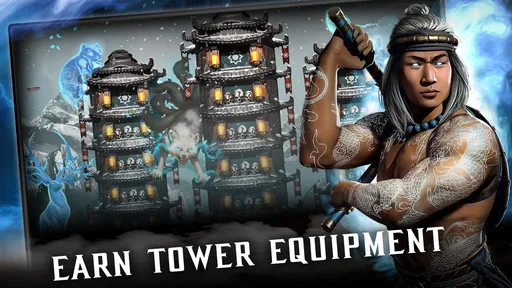

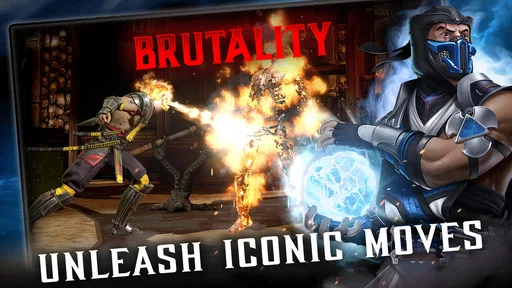

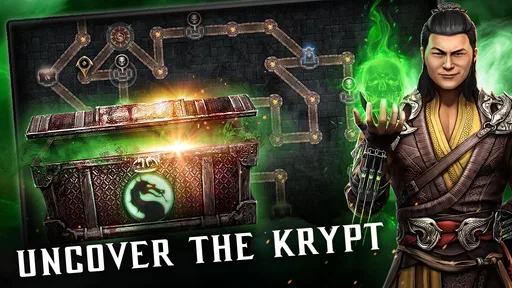
 Analysis by AppCompare
I first approached Mortal Kombat as a quick action game for short breaks, but it is better understood as a competitive fighting game that happens to fit comfortably on a phone. It comes from Warner Bros. International Enterprises and combines familiar characters with compact battles designed for touch controls. The result is immediately recognizable, easy to start, and much more demanding once you begin caring about team choices, timing, and upgrades.
That combination makes it interesting on a shared device. One person can play a few matches while waiting for dinner, then hand the phone to someone else without needing a long session. At the same time, it is not a neutral family game. Its Mature 17+ rating matters, especially when several people use the same tablet or phone and younger players may see the screen without anyone intending to introduce them to violent fighting content.
How Mortal Kombat fits into a shared household
In my experience, the best household use is casual and turn-based rather than cooperative. I can imagine one player completing a few battles during a commute, another trying the roster later, and a third person simply watching because the characters and finishing moves are visually striking. The game does not need a living-room console to create that “pass the controller” feeling, although each person is still effectively playing their own session rather than joining the same touch-screen match beside another player.
That distinction is important. If you are looking for a calm game that several family members can enjoy together on one sofa, this is not my first recommendation. The action is built around combat, and the presentation is deliberately intense. If the household already enjoys the Mortal Kombat style and everyone using the device is old enough for the content, it can work well as a personal game that happens to be shared. If the goal is a gentle all-ages activity, a puzzle game or a less graphic fighting title would be a better fit.
The short-session design is one of its practical strengths. Battles usually feel manageable in small pieces, so I do not need to reserve an entire evening to make progress. That also makes it suitable for a person who likes mobile games but dislikes long tutorials or sprawling maps. I can open it, make decisions quickly, and return later. The trade-off is that the game encourages repeated engagement, so “just one match” can easily become a longer visit when I am trying to improve a team or overcome a difficult opponent.
For a shared phone, I would establish a simple routine before installing it: decide who is using the device, avoid changing another player’s progress, and keep purchases under one person’s control. Those are household habits rather than special game functions, but they prevent many of the arguments that appear when several people treat one mobile game as if it were a common board game.
What the touch controls feel like in real play
The controls are approachable because the phone does not try to reproduce every button from a console controller. Basic attacks can be performed with direct taps and swipes, while defensive actions and special moves become matters of recognizing the right moment. That simplicity helps a new player start quickly, but it does not remove the need for attention. Against easier opponents, I can react casually; against stronger ones, sloppy tapping becomes obvious.
Worth Reading Before You Choose

Flipboard Shows What News Apps Must Do Beyond the Feed

Switching to Android Auto Means Rethinking Your Driving Routine

Google Calendar Makes a Crowded Week Easier to Manage

Ludo King Makes the Most of the Minutes Between Plans

Baby Panda World Brings Quick Play to Modern Phones, but Its Game Library Feels Busy

ESPN’s Live Game View Makes Following Close Games Easier
I find the touch format most comfortable when I hold the phone with both hands and keep my thumbs clear of the central action. On a larger tablet, the extra screen area makes the fighters easier to see, but reaching across the display can feel less natural. A shared tablet is therefore convenient for watching and passing around, while a phone often feels better for focused one-person play. Either way, fingerprints and accidental touches can become surprisingly annoying during a tense exchange.
One useful habit is to avoid tapping continuously without watching the opponent. The game rewards learning when to attack, when to defend, and when to bring in another fighter. Treating every encounter as a button-mashing contest makes the harder battles feel unfair, even though the real problem is usually poor timing or a weak team arrangement. I improved more by slowing down for a few seconds and observing patterns than by playing faster.
The game’s action is also easier to understand when I separate three decisions: which fighter starts, when to switch, and when to spend a powerful ability. New players often focus only on the first choice. In practice, a well-timed switch can matter more than choosing the strongest-looking character, because it changes the rhythm of the fight and gives me a chance to respond to the opponent rather than simply absorb damage.
Building a team without turning the phone into a battleground
The roster is a major part of the appeal. Recognizable fighters give each match a sense of personality, and collecting different characters makes the game feel broader than a simple arcade bout. The important point for a household is that roster progress can become personal very quickly. If two people share one device, they may disagree about which character deserves resources, which team should be used, or whether a newly obtained fighter should replace a familiar favorite.
I would treat the active team as a personal choice, not a permanent household setting. Before another person plays, it helps to agree that they can experiment without dismantling the existing arrangement. This is especially useful for younger or less experienced players, who may want to test every character without understanding the consequences of changing a carefully prepared lineup.
My most practical team-building tip is to keep one reliable group for ordinary progress and use a second arrangement for experimentation. The first gives me a stable way to continue when I only have a few minutes. The second lets me test unfamiliar fighters without confusing the setup that already works. That separation is more valuable than chasing a single supposedly perfect team, because the best choice depends on the opponent and on how comfortable I am with each fighter’s timing.
Another trade-off appears in the upgrade economy. The game is free to download, but optional purchases range from $0.99 to $99.99 per item. That wide range makes it important to discuss spending before the game is shared. A child who sees a useful character or upgrade may regard it as part of normal play, while an adult may see it as an avoidable expense. I would not hand over a shared device without agreeing who may make purchases and whether progress should be earned only through play.
Even when nobody spends money, the design can still create pressure to keep returning. A player who wants a larger roster or stronger team may feel that every spare moment should be used efficiently. I prefer setting a small goal, such as improving one fighter or completing a limited number of battles, instead of measuring the session by how much virtual progress was gained. That keeps the game entertaining rather than turning it into a household competition over who advanced furthest.
Setup boundaries for a phone or tablet used by several people
The game requires a device running at least Android 7.0, which covers many older Android phones and tablets. That makes it accessible to households that do not own the newest hardware, although actual comfort depends on the device’s screen, responsiveness, and available storage. On an aging phone, I would pay attention to heat, battery use, and touch response during longer sessions. A game can technically run and still feel unpleasant if the display misses inputs or the device becomes uncomfortable to hold.
Because it is an action game, interruptions matter more than they do in a turn-based puzzle. I would avoid starting a battle when someone is likely to need the phone immediately. A shared-device schedule works better when the player finishes a natural stopping point before handing it over. This sounds obvious, but it prevents frustration when another household member needs the device and the current player is in the middle of a fight.
Account boundaries deserve equal attention. I would not assume that one installation automatically provides the separation a family wants. Before sharing, check whose progress is being used, who is responsible for purchases, and whether another person’s play could affect the same save or collection. The safest household agreement is simple: one person manages the main progression, while others play only if they understand that their actions may change what appears next.
This is also where a dedicated personal device can be better than a family tablet. If two players want different rosters, different spending rules, or independent progress, sharing one installation may create more friction than it saves. The game is free, but the time spent negotiating ownership of progress can be the real cost. I would choose a shared setup for occasional turns, not for two serious players who both want long-term control.
Before a younger person uses the phone, I would also review the device’s purchase protections and general app-store settings. I am not treating those settings as features of the game; they are ordinary precautions for any free-to-download title with optional purchases. The key lesson is that “free” describes the starting price, not every possible path through the experience.
Age, trust, and the tone of the content
The Mature 17+ rating is not a minor footnote here. The game’s identity is tied to violent combat, recognizable finishing attacks, and a presentation intended for older players. I would not use it as a default game for children simply because the controls are easy to learn. Easy controls and age-appropriate content are separate questions, and this title clearly belongs in the older-teen and adult conversation.
For a household with teenagers, I would make the decision based on the individual rather than on convenience. Some older players may be comfortable with stylized violence, while others may find the imagery unpleasant. Watching a short session together can be more useful than relying only on the label, because it shows the tone and intensity directly. The important thing is not to let a shared device make the decision accidentally.
Trust also includes spending behavior. The mature rating says something about the content, but it does not settle whether a particular player is ready to handle optional purchases responsibly. I would be especially cautious when the device is linked to an adult’s payment method. A clear rule—no purchase without permission—works better than assuming a young player will understand the difference between a small item and a much larger one.
There is a social side to the game as well. Some people enjoy discussing favorite fighters and comparing teams; others can become overly focused on winning or collecting. In my household scenario, I would keep the tone light and avoid letting the strongest player control every session. A shared game is more successful when beginners are allowed to learn without being mocked for losing quickly.
How it compares with other mobile fighting choices
Compared with a traditional console Mortal Kombat experience, this mobile version is more convenient and easier to play in short bursts, but it is not a substitute for a full controller-based fighting session. A console offers more physical buttons and usually feels better for players who care about precise competitive inputs. The mobile game wins when I want recognizable combat on a phone without setting up a television.
Compared with simpler arcade brawlers, it offers more collection and team-management interest. I am not only trying to survive one encounter; I am also thinking about which fighters to use and how to improve them over time. That extra layer gives the game staying power, but it can feel like unnecessary management to someone who wants immediate, uncomplicated action.
Compared with family-friendly fighting games, it loses on accessibility for mixed-age households because of its Mature 17+ content. A colorful, less violent alternative is a better choice when parents want children and adults to play together without a difficult age conversation. Mortal Kombat is the stronger option for an older audience that specifically wants its darker style, not for a household choosing the safest common denominator.
Compared with premium games that charge once and avoid optional purchases, the free entry point is attractive, but the spending boundaries require more attention. I appreciate being able to try the core experience before deciding whether it suits me. I am less comfortable when a player feels pushed to spend in order to keep pace with a collection goal. That difference should guide the choice between this and a paid fighting game.
Who will enjoy it, and who should skip it
I recommend it to older players who like fighting games but need a mobile format. It is also a good match for fans who enjoy assembling a roster, testing different combinations, and improving through repeated short sessions. A person who wants a quick distraction with enough depth to reward practice will find more here than the first few battles suggest.
I would skip it if you want a calm, nonviolent game, a fully shared family activity, or a competitive fighter built around traditional controller precision. I would also hesitate if you dislike managing progression or feel uncomfortable with optional purchases in a free game. Those are not small preferences; they affect whether the structure feels motivating or irritating.
The game has reached over 100 million installs and holds a 4.0 average from around 4.6 million ratings, so it clearly has broad appeal. I do not take that popularity as proof that it will suit every household. Large numbers tell me that the basic concept travels well across devices; they do not remove the need to consider age, spending, and whether the shared-device arrangement is realistic.
What to expect from the current release
The current version is 7.3.0, and the game originally arrived on May 4, 2015. That long presence helps explain why it feels like an established mobile title rather than a small experiment. It also means a new player should expect a mature, content-rich experience with systems that may take time to understand instead of a minimalist game that explains everything in a few minutes.
I would begin by learning the basic combat rhythm before worrying about collecting everything. Use early battles to discover which attacks feel reliable, then build a dependable team around your own comfort rather than copying a favorite character blindly. Once the controls feel natural, start experimenting with switches and special abilities. This order keeps the early experience readable and prevents the roster from becoming a wall of choices.
For a shared device, I would create a short handover rule: finish the current battle, leave the team in a recognizable state, and tell the next player whether anything was changed. That tiny bit of coordination makes a major difference. It turns the game from a source of accidental conflicts into something closer to a shared shelf of entertainment, even though the progress itself may remain personal.
One overlooked advantage is that watching another person play can teach you without costing your own progress. A more experienced player can demonstrate when to switch or how to respond to a difficult opponent, while the beginner then tries the same idea. This works better than simply taking over the phone, because the learner keeps ownership of the attempt and starts developing their own timing.
My household verdict
After spending time with it, I see Mortal Kombat as a strong mobile action game for older players, especially those who enjoy recognizable fighters and gradual team development. Its free starting price makes trying it easy, and its compact battles suit everyday gaps in the schedule. The controls are approachable, but the game still gives experienced players reasons to think beyond rapid tapping.
My recommendation comes with firm boundaries. On a shared phone or tablet, agree on progress, purchases, and turn-taking before anyone starts. Keep the Mature 17+ rating visible in the decision, rather than treating the game as harmless because it runs on a mobile device. If everyone using it is old enough and understands the spending rules, it can be a fun household rotation game. If the device belongs to several age groups or two players need completely separate ownership, another option will probably create less friction.
Warner Bros. International Enterprises has built a title that works best when its audience is clear. I would install it for an older teen or adult who wants a familiar fighting universe in short mobile sessions, and I would avoid presenting it as an all-purpose family game. The smartest way to enjoy it is to match the game’s intense content and progression style with the right player, device arrangement, and household expectations.
Pros
- Large roster with distinct fighting styles and special moves.
- Cinematic Fatalities make victories visually satisfying.
- Multiple modes offer variety beyond standard one-on-one fights.
- Frequent events and challenges provide reasons to keep playing.
- Strong character customization and upgrade options.
Cons
- Progression can feel slow without regular play or resource spending.
- Some powerful fighters may require significant time to unlock.
- Online matches can suffer from lag depending on connection quality.
- The interface may feel crowded for new players.
- Large updates can consume considerable storage space.
FAQs for Mortal Kombat
What is Mortal Kombat, and what can I expect from the mobile game?
Mortal Kombat is a fighting game for mobile devices featuring famous characters from the franchise, including Scorpion, Sub-Zero, Raiden, and many others. After installing it, you can build a team of fighters, battle through story chapters, complete challenges, and compete in online modes. The game combines traditional one-on-one combat with collectible character progression and special attacks.
Is Mortal Kombat free to download and play?
Mortal Kombat can generally be downloaded for free on Android and iOS, but it includes optional in-app purchases. You can progress without paying, although unlocking stronger characters, upgrading your roster, or obtaining certain rewards may take considerable time. Players should also expect advertisements, limited resources, and energy systems that can encourage purchases during longer play sessions.
Does Mortal Kombat require an internet connection?
An internet connection is normally required for many important parts of Mortal Kombat, including account synchronization, online battles, events, updates, and some progression features. Although certain content may appear accessible temporarily without a connection, the game is designed primarily for online play. A stable Wi-Fi or mobile-data connection is recommended to avoid loading problems and interrupted matches.
Is Mortal Kombat suitable for children?
Mortal Kombat is intended for mature audiences because it contains intense violence, graphic finishing moves, dark themes, and fantasy combat that may not be appropriate for younger players. The exact age rating can vary between the Google Play Store and Apple App Store, so parents should check the listing for their region. In-app purchases and online interactions are also worth reviewing.
Does Mortal Kombat work well on every Android and iOS device?
Performance depends on your device’s processor, available memory, operating-system version, and free storage space. On newer phones and tablets, matches are usually smoother and loading times are shorter, while older or less powerful devices may experience reduced graphics, overheating, crashes, or lag. Before downloading, check the official store requirements and keep enough storage available for updates and additional game data.


